
Concrete sidewalk building in Lowell MA - a walk that holds up through winter
Cracked, uneven or slick walk to your door? We build a new one on a packed base, with grip for wet days.
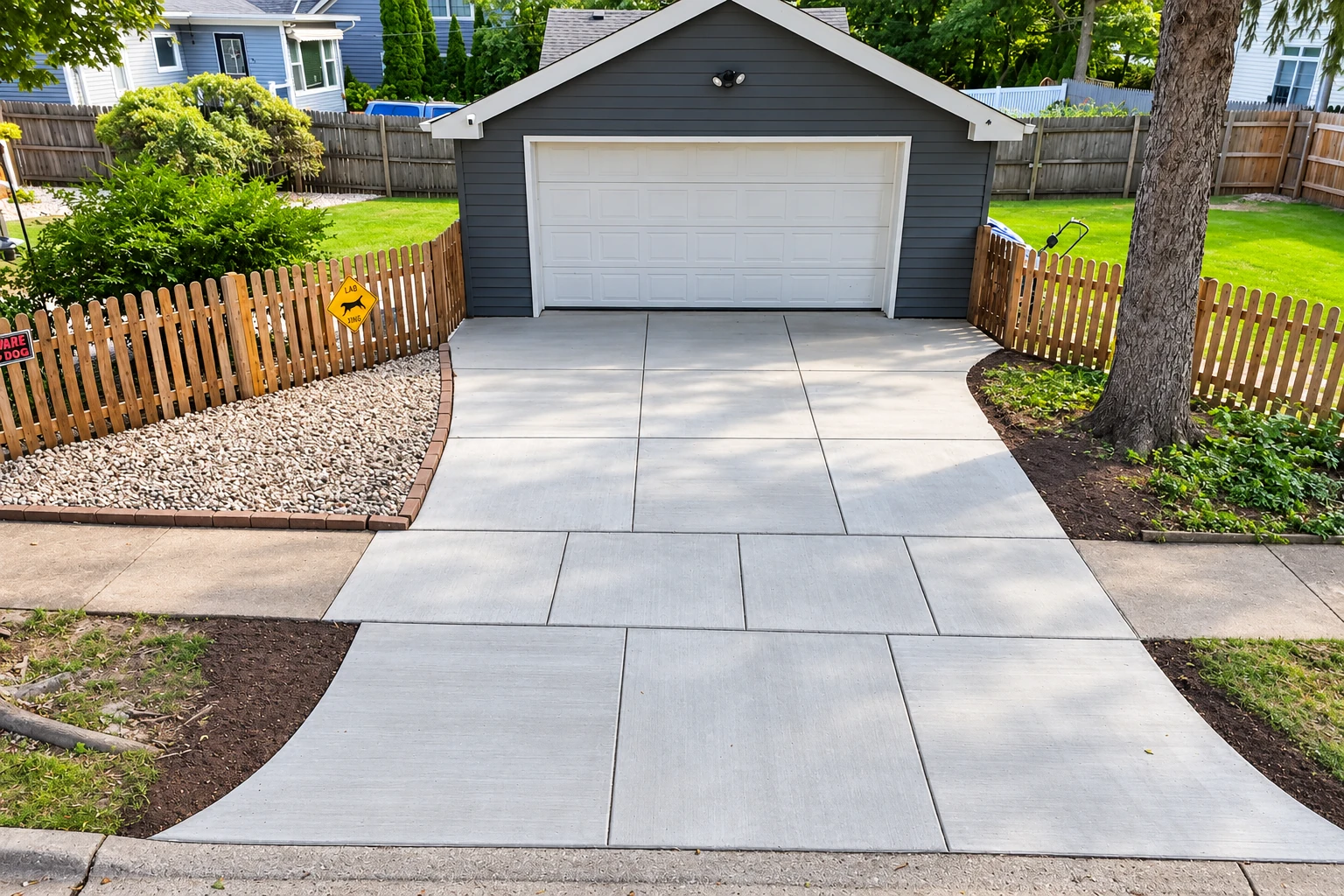
A good sidewalk starts below the concrete
Concrete sidewalk building in Lowell, MA usually starts with a walk that's cracked, sunken or uneven, and the trouble is usually underneath. If the topsoil was left in or the dirt was raked flat instead of packed, the slab settles along with it. We start from the ground, and we give the joints and the finish as much care as the pour, because a walk depends on both.
The price moves with the length and width of the walk, how much old concrete comes out, whether a stretch has to carry a car where it meets the driveway, and the finish you choose. The schedule turns on the weather and on any permit, which we apply for as the contractor. Your written estimate spells out what's included.
- Topsoil and soft ground dug out first
- A packed base, not raked dirt
- Joints cut early, where cracks belong
- A finish with grip when it's wet
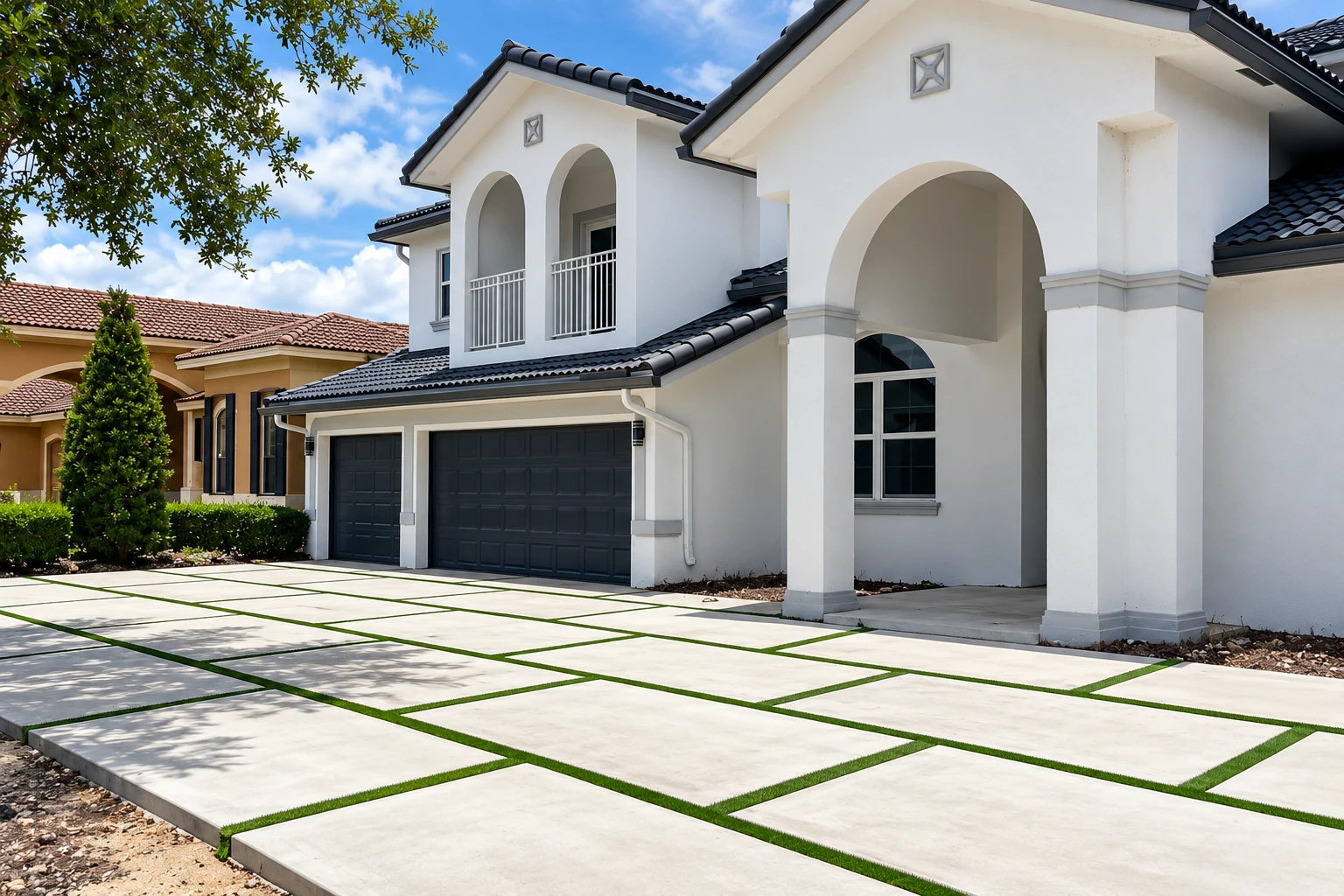
Which finish fits your walk
A slip-resistant finish suits an outdoor walk, because a smooth troweled surface can turn slick when it's wet. The finish also sets the look, so it's worth choosing early.
Smooth trowel
- When it suits
- Indoor slabs that stay dry, like a garage floor.
- What to know
- Fine indoors, but the wrong pick for any walk that sees rain or snow.
Broom finish
- When it suits
- Most outdoor walks, since the light ridges left by a broom give shoes grip.
- What to know
- Plain look, easy to shovel, and the finish we usually recommend for walks.
Decorative finish
- When it suits
- When the walk is part of how the front of the house looks.
- What to know
- Decorative concrete still needs texture for grip, and it adds cost and time.
How we build a new walk
Visit and estimate
I come out myself, check the route and where water runs, and send a written estimate that shows what you're paying for before we pour.
Permits and timing
Lowell mainly permits work affecting city streets April 1 to November 15, so on those jobs we confirm dates with the City Engineer's Office and plan around them.
Digging out the base
Our crew digs out the topsoil and soft ground, packs the subgrade, the ground the walk rests on, and sets the forms.
Pour and finish
Our finishers pour, broom the top and cut the joints while the concrete is still fresh, avoiding midday heat that leaves a weak, dusty surface.
Cure and walk-through
Curing starts right away, the wait that lets concrete harden before anyone uses it, and we clean up and walk the finished job with you.
What to settle before we pour
These choices are hard to change once the concrete is down, and each one shows up on the estimate, so it helps to think them through first.
Air in the mix
Concrete with entrained air, tiny bubbles mixed in, holds up better to freezing and thawing and flakes less from ice melt. If your walk sees both, ask for it in the quote.
Where a car crosses
A walk that crosses a driveway may need a thicker or reinforced stretch with even support underneath, since a car weighs far more than people. We build that section heavier.
How the joints are timed
Control joints are grooves that give a walk a planned place to crack as it shrinks. They only work when cut early, so ask each contractor how they'll place and time them.
Base before looks
The base is hidden on day one, so it's the first thing people cut. I'd trim the finish before the base, because a nice walk on soft ground still sinks.
What good sidewalk work looks like
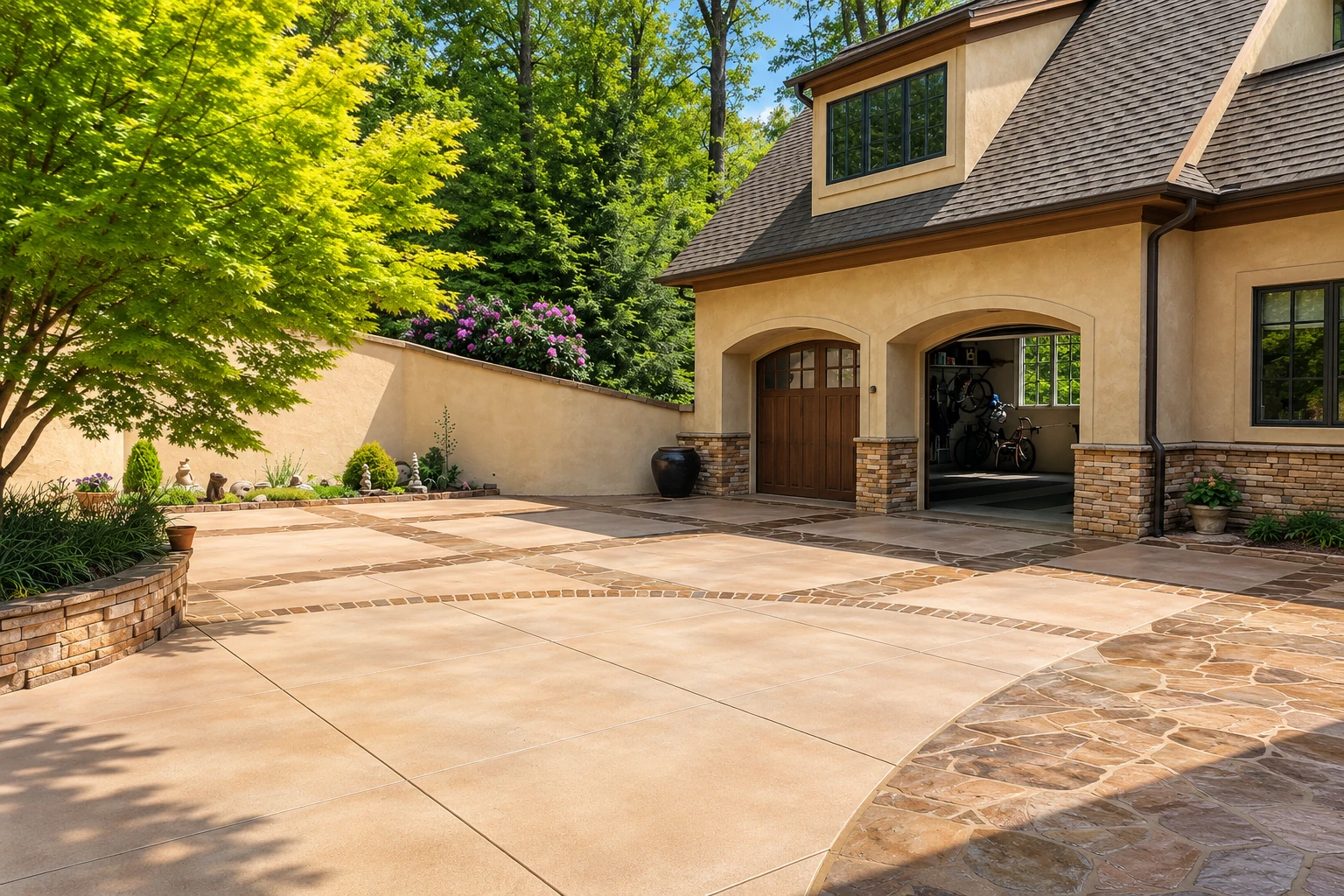
Look for straight, clean joints, an even broom texture and edges that sit flush with the lawn and driveway. Open any photo for a closer look.
Tell us about your walk
Send the walk's rough size and whether it meets a driveway or city street. We reply within one business day to set up a free on-site estimate, no obligation.
To talk now, call
(978) 441-3345Questions about a new walk
Another question? Call (978) 441-3345
How much does a concrete sidewalk cost near Lowell?
Concrete sidewalk in the Boston area usually runs about $9 to $23 per square foot, and that's the area's going rate, not our price. Tearing out an old walk, a heavier stretch where a car crosses and a decorative finish all push it higher. My written estimate gives your figure and shows what's in it.
When does Lowell require a permit for a new sidewalk?
Lowell requires contractors to get permits for public or private work, and its permit list names driveway paving, digging in the street right-of-way and street closings, not sidewalk building. That leaves a walk wholly on your land unclear, so we check with the city on each job and apply as the contractor when a permit is needed.
Does a sidewalk contractor in Massachusetts need to be registered?
For work on an existing, owner-occupied home with one to four units, Massachusetts requires contractors who bid on or do the work to be registered as Home Improvement Contractors. On jobs estimated at $1,000 or more, the law also requires a written contract with set provisions. We're licensed and fully insured.
How do I keep a new concrete walk from flaking in winter?
Use a mix with entrained air, as covered above, and go easy on the walk its first winter. An industry practice sheet advises skipping deicers that first winter and sealing the surface with a commercial sealer or boiled linseed oil mixed with mineral spirits. The work itself is backed by our satisfaction guarantee.
Who has to maintain the sidewalk or walkway on my Lowell property?
You do if it's an unaccepted sidewalk or walkway, which Lowell treats as a private way under the owner's control. The city is otherwise responsible for public sidewalks, apart from limited duties for owners, so it's worth knowing which kind you have before planning new work.