Concrete Parking Lot Building in Lowell MA - pavement sized for what parks on it
Cracked, uneven or holding water after rain? We build a concrete lot planned around its traffic and where the water goes.
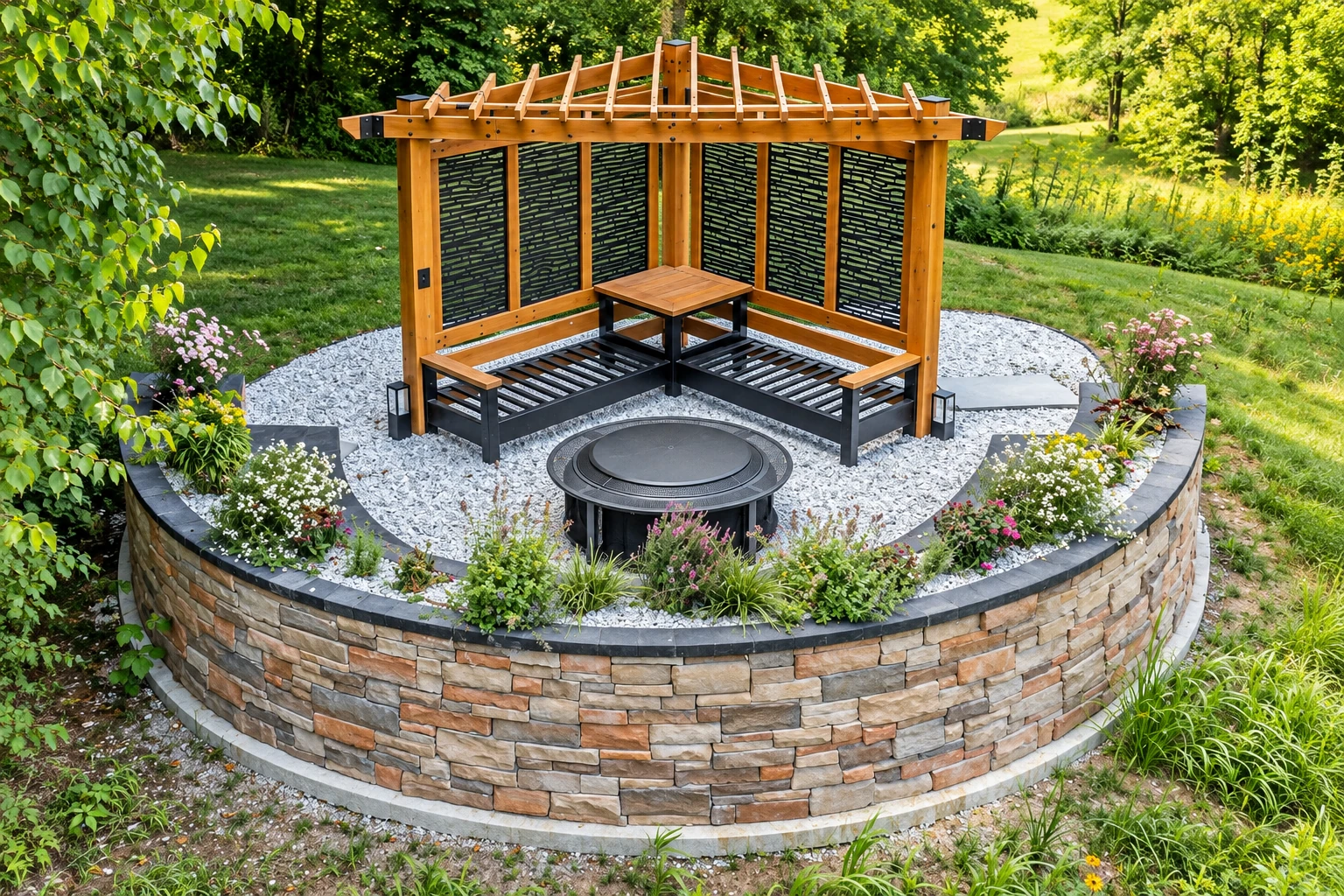
A concrete parking lot is a planning job first
Concrete parking lot building in Lowell means pouring a concrete pavement and cutting control joints, grooves that make the slab crack along planned lines instead of across your spaces. Most calls start with a lot that's cracked, uneven or pooling water. If it's the building beside the lot that has settled, that's foundation raising, a separate job.
Price comes down to the lot's size, the traffic it has to carry and how much digging and drainage work it needs, and the city's approvals usually set the schedule more than the pour does. I start by asking what will park there and whether you'll use deicers, and when the job needs a permit we apply for it as the contractor.
- Thickness matched to the heaviest traffic
- Even, well-packed soil under the whole slab
- Joints laid out where cracks belong
- Water runs off, away from buildings
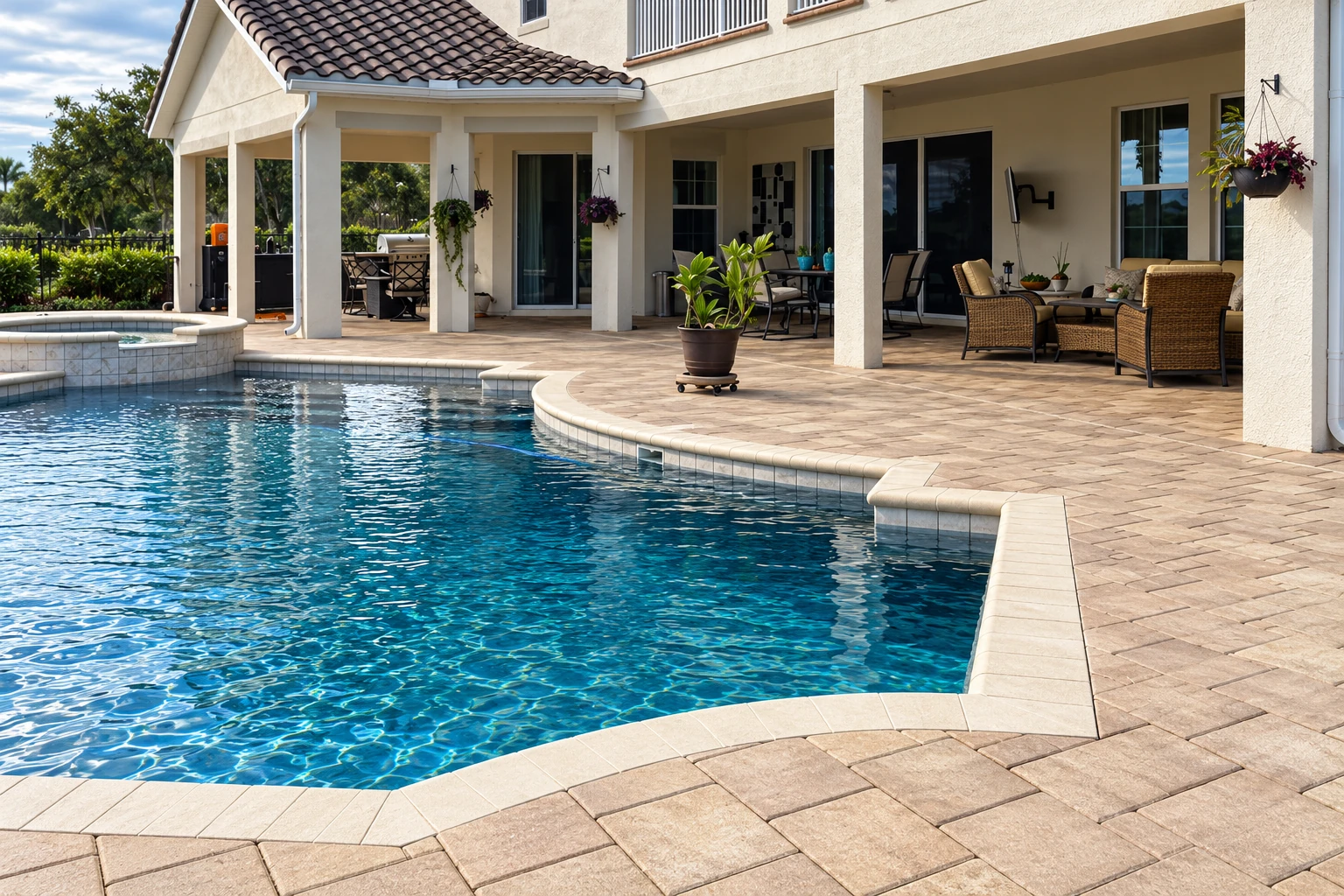
Thin, thick or sized right
Thickness is the one choice you can't change after the pour, so it's worth getting right for the vehicles that will actually use your lot.
Too thin
- How it's set
- Sized for cars when delivery trucks also use the lot.
- How it holds up
- Breaks up early where the heavy wheels turn and stop.
Sized to the traffic
- How it's set
- Set from what parks there, how often, and the soil underneath.
- How it holds up
- Carries the planned traffic without paying for concrete you don't need.
Overbuilt
- How it's set
- Thick everywhere by guesswork, just to be safe.
- How it holds up
- Holds up fine, but costs more where only cars ever park.
How a lot gets planned and poured
Call and site visit
You call or send the form, then I come out myself, walk the lot, check where the water runs and ask what will park there.
Written estimate
You get a written estimate that spells out what's included, so you know what you're paying for before anything is dug or poured.
Design with engineers
An industry guide has you supply vehicle counts and growth, a civil engineer set joints and drainage, and a geotechnical engineer recommend thickness. Our crew builds to it.
Permit season
We're licensed and fully insured. Lowell only issues permits for driveway work touching a city street from April 1 to November 15, so we plan for it.
Pour and walk-through
Our crew lead and finishers form, pour and finish the slab and cut the joints, then I walk the finished lot with you before we call it done.
What to settle before we dig
Each of these changes the mix, the thickness or the layout, so knowing them up front lets the estimate match the lot you'll actually get.
Winter and deicers
A lot facing freeze and thaw needs air-entrained concrete, mixed with tiny air bubbles. Deicers make the exposure severe, so tell your engineer early if you'll use them, since that sets the mix.
The ground under it
The subgrade, the soil the slab sits on, should be even in type, moisture and firmness, with soft spots dug out and replaced. If the budget's tight, trim the finish, not this.
Where the water goes
Water has to run off the lot and away from any building instead of sitting in the spaces. We look at how it drains today before the slopes get planned.
Lights and signs
Light poles and signs sit on concrete footings, and it's easier to place them before the lot is poured than to cut into new concrete afterward.
Concrete parking lots up close
Look for straight joint lines, cracks that stay inside them, and a surface sloped so water runs off. Open any photo for a closer look.
Tell us about your lot
Send the lot's size, your vehicle count now and later, and whether trucks or deicers are planned. We reply within one business day to book your free, no-obligation estimate.
To talk now, call
(978) 441-3345Questions about concrete lots in Lowell
Another question? Call (978) 441-3345
How much does a concrete parking lot cost in Lowell?
Commercial concrete flatwork, parking lots included, usually runs about $6 to $14 per square foot across the US. Where a Lowell lot lands depends on the thickness its traffic calls for, the ground and drainage work, and how much old pavement comes out. I'll write up an estimate after I see yours.
Do I need a permit to pave a parking lot in Lowell?
Yes, Lowell requires a permit from the City Engineer's Office to pave a parking lot, even when you're repaving an existing one. The city also wants stormwater calculations and a plan of the spaces and striping, so settle the layout first. We take care of the application as your contractor.
How thick should a concrete parking lot be?
A lot for cars and pickups usually needs thinner concrete than one that takes heavier commercial traffic, because thickness follows the traffic, the soil and the concrete's strength. A geotechnical engineer usually recommends the final number from your vehicle counts, and our crew pours to it.
When does a parking lot in Lowell need Planning Board review?
Lowell requires Site Plan Review, with a public hearing before the Planning Board, for a lot with more than 4,000 square feet of hard surface and more than 14 spaces, going by a board agenda. If yours comes close to that size, check your own case with the board before setting a start date.